
1. Understanding Good Debt vs. Bad Debt
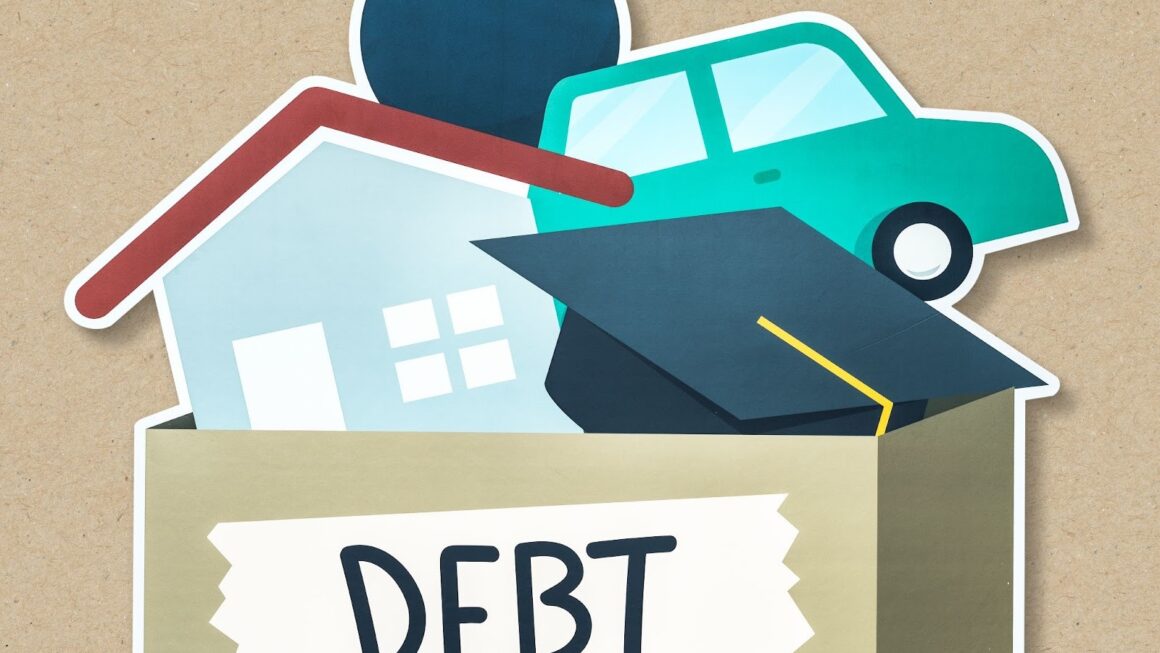
Debt itself isn’t inherently good or bad, it’s all about how and why you use it. Good debt helps you build future value or increase earning potential, such as investing in education, property, or a business. Bad debt, on the other hand, drains resources with little or no long-term benefit, think high-interest credit cards or impulsive spending.
In the era of digital finance, crypto-backed loans have emerged as a new category of “good debt.” They allow borrowers to access liquidity while keeping ownership of appreciating assets, a strategy that merges responsible borrowing with long-term financial growth.
2. What Makes Debt “Good” in 2025
Good debt is an investment in your future. It should:
- Appreciate over time (such as property or crypto).
- Increase income potential (education, business growth).
- Be strategically leveraged to build wealth rather than consume it.
Crypto Lending platforms align perfectly with this principle by letting borrowers use their crypto holdings as collateral for flexible, low-interest loans. Instead of selling crypto and paying capital gains tax, users can borrow against it to fund education, start a business, or expand operations, all while their digital assets continue to grow in value.
3. What Makes Debt “Bad”
Bad debt usually comes from high-interest borrowing used for short-lived purchases or depreciating assets, things like luxury items, vacation spending, or unplanned credit card use.
These debts often:
- Lose value immediately.
- Have no positive financial return.
- Incur high interest that compounds over time.
- Limit future borrowing capacity.
Traditional unsecured loans can quickly turn into bad debt if they’re not tied to productive goals. In contrast, crypto-backed lending promotes accountability and smart borrowing through asset-based collateralization.
4. How Crypto Lending Transforms “Good Debt”
Crypto lending adds a modern twist to traditional credit models. Instead of borrowing based on your credit score or employment history, you borrow based on your digital asset value.
Here’s how it works with OmniLender:
- Deposit your crypto assets (BTC, ETH, USDT, etc.) as collateral.
- Select your loan terms — amount, interest rate, and duration.
- Receive instant liquidity in fiat or stablecoins.
- Repay over time and reclaim your crypto when the loan is complete.
This approach encourages financial discipline, since borrowers must manage collateral ratios responsibly, creating a culture of mindful, productive debt.
5. Comparing Traditional Loans and Crypto-Backed Loans
| Feature | Traditional Personal Loan | Crypto-Backed Loan |
| Collateral | Often unsecured | Digital assets (BTC, ETH, etc.) |
| Approval Time | Days to weeks | Minutes to hours |
| Credit Check | Required | Not required |
| Tax Impact | May trigger taxable events | No capital gains |
| Purpose | Fixed (education, vehicle, etc.) | Flexible (business, real estate, investment) |
The crypto lending platform, provides the perfect blend of security and innovation letting borrowers leverage their crypto responsibly to build credit-free, growth-oriented funding opportunities.
6. When Borrowing Becomes a Smart Strategy
Borrowing can be an intelligent move if it’s used to build equity, improve cash flow, or increase earnings. Here are a few examples of good debt strategies using crypto loans:
- Starting or scaling a business using crypto as collateral instead of bank loans.
- Purchasing property or tokenized real estate without selling digital assets.
- Investing in education or professional development while maintaining crypto exposure.
- Diversifying portfolios with low-cost borrowed funds.
With these approaches, you’re using debt as a tool for wealth creation, not a financial burden.
7. When Debt Turns Risky
Not all borrowing fits the “good” category even in the crypto world. Risks can arise when:
- You borrow to fund speculative trades or lifestyle purchases.
- You over-leverage during volatile markets.
- You fail to maintain healthy loan-to-value (LTV) ratios.
These platforms help mitigate these risks with real-time monitoring tools, allowing borrowers to track collateral performance and prevent liquidation. Responsible borrowing always means staying within manageable limits.
8. The Future of Debt: Smarter, Asset-Backed, and Transparent
The rise of crypto lending represents a new era of financial responsibility. By merging blockchain transparency with modern lending, crypto lending platforms are redefining what “good debt” looks like turning digital assets into productive capital.
In the near future, crypto-collateralized lending could replace traditional bank loans altogether, allowing borrowers worldwide to access fair, instant, and borderless credit.
9. Final Thoughts: Choose Good Debt, Not Risky Debt
Good debt builds wealth, improves stability, and positions you for long-term success. Bad debt does the opposite, it drains your resources and limits opportunity.
By leveraging on crypto lending platforms, borrowers can embrace a smarter, crypto-backed approach to financing, one that empowers rather than restricts.
If you’re ready to transform your digital portfolio into an engine for financial growth, explore Loans-Now.com today and see how crypto-backed lending can help you make debt work for you, not against you.




One thought on “Good Debt vs. Bad Debt: How Crypto-Backed Loans Are Redefining Smart Borrowing”